CHEETAH CONSERVATION BOTSWANA

  • Home
  • About us
    • Who we are
    • About Cheetahs
    • Founders
    • Where We Are
    • Supporters
    • Collaborators
    • Contact Us
  • What we do
    • Scientific Research
    • Farming For Conservation
    • Engagement & Awareness
    • Communities for Conservation
  • Get Involved
    • Donate
    • Log a Cheetah Sighting
    • Work with CCB
    • Study with CCB
    • Fundraising
  • Resources
    • Annual Reports
    • Financial Reports
    • Educational Resources
    • Information for Farmers
    • Photo Gallery
  • News
  • Donate
  • Shop
  • Home
  • About us
    • Who we are
    • About Cheetahs
    • Founders
    • Where We Are
    • Supporters
    • Collaborators
    • Contact Us
  • What we do
    • Scientific Research
    • Farming For Conservation
    • Engagement & Awareness
    • Communities for Conservation
  • Get Involved
    • Donate
    • Log a Cheetah Sighting
    • Work with CCB
    • Study with CCB
    • Fundraising
  • Resources
    • Annual Reports
    • Financial Reports
    • Educational Resources
    • Information for Farmers
    • Photo Gallery
  • News
  • Donate
  • Shop

We need help to build our new LGD facility!

5/28/2023

0 Comments

 
Picture
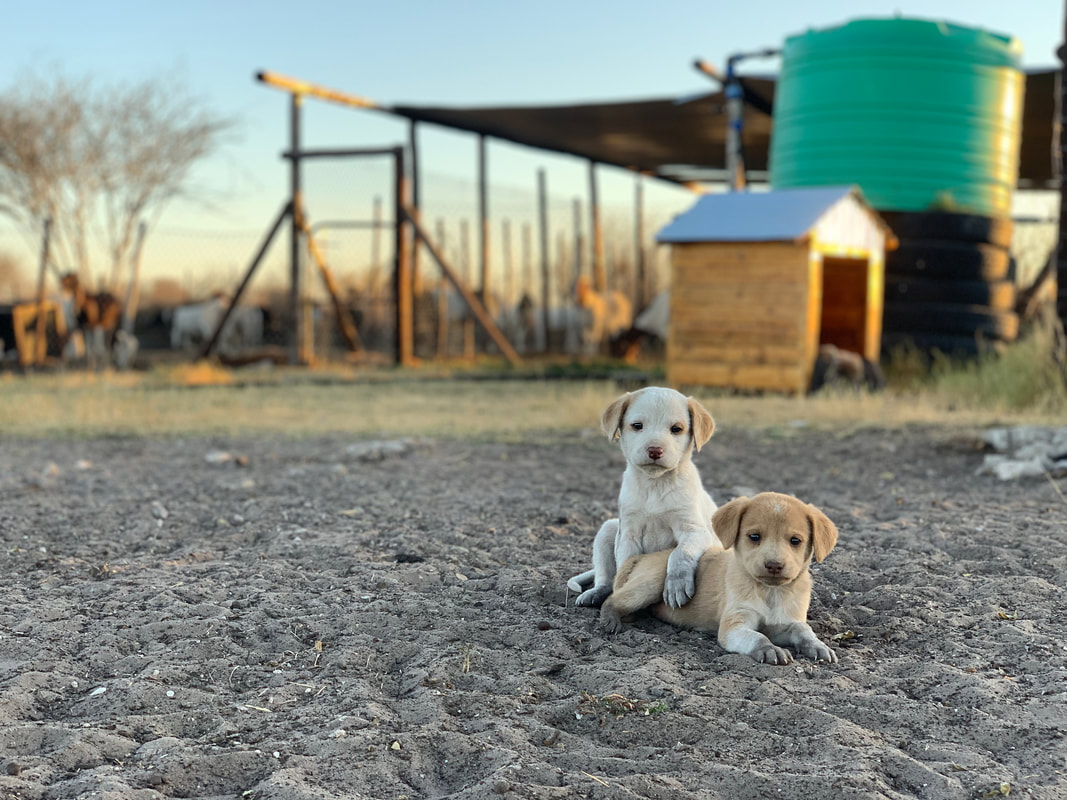
​We are thrilled that livestock guarding dogs (LGDs) are becoming so popular amongst farmers in Botswana. We are contacted by so many farmers wanting trained LGD puppies though, that this need has been difficult to meet at times. This is especially true this past year, while our demo farm was locked down due to a nation-wide parvovirus outbreak. 
 
As CCB prepares for the move to the our new farm, we need to establish an area where we are able to not only train our LGD puppies, but also provide for any healthcare related needs that arise. The new LGD facility will provide both housing for puppies undergoing training before their placement with farmers, but also a hygienic quarantine facility for new puppies coming in. The facility will be a useful addition to our demonstration farm initiative, and the quarantine facility will be critical to reducing the risk of disease transfer to our demostration farm. 
 
For this year’s mid-year fundraiser, CCB aims to raise the funds needed to build our new LGD Puppy Training and Care facility at the new CCB farm in Ghanzi. In 2021 you helped us raise $8,000 to provide food for the LTP playgroup in Kacgae – can you help us reach our goal this year? We are aiming to raise $15,000 before 4th August 2023 to help us build this exciting new facility. 
 
 
Features of the new LGD Facility
  • A covered enclosure with cement flooring that can be easily cleaned and sanitized 
  • Dog houses for puppies
  • Mesh and canvas shading to shield against wind, rain and heat while also enabling good ventilation 
  • A veterinary clinic to attend to all puppy, dog, livestock and cheetah needs
  • A safe storage area for equipment and veterinary supplies
 
With Phase 1 of our new camp construction already financed and awaiting commencement, being able to have funding to enable the LGD facility to be constructed alongside the other developments will ensure that the new premises are ready for use as soon as possible. We thank you in advance of any support you can offer! 
0 Comments

Cattle tracking ear tags finally working!

5/28/2023

2 Comments

 
Picture
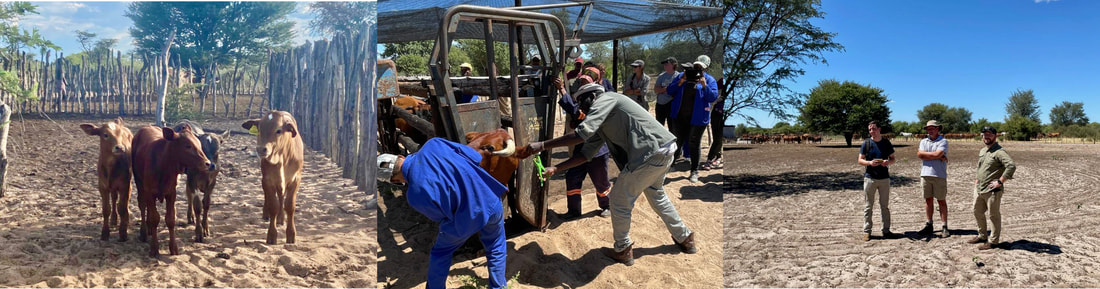
​Some of you may remember us reporting that in 2022 we were trialling advanced tracking technology ear tags on cattle to help alleviate human-wildlife conflict. This collaboration with Texas A&M University saw 20 ear tags placed on 10 cow-calf pairs on the Oasis cattle farm in Ghanzi – a farm that experiences high numbers of calf losses to unknown causes. We hoped that the ear tags would help improve knowledge of the way in which the cattle were using the large paddocks on the farm and how often and for how long mothers were leaving their young calves alone to fend for themselves. These data help us to understand where and when calves are vulnerable to carnivores and helps the farmers improve farm management to protect their most vulnerable livestock. The mOOvement ear tags used in 2022, relied on a LoRen network to transmit data from the ear tags to a base station by the homestead, from which the farmers and CCB staff can view the locations of the cattle in the paddocks in near real-time. Alerts were set if animals did not move for extended periods of time, so that immediate action could be taken if a calf was injured, stolen or killed. Even a mortality alert from the collar can be used productively, as you can identify what killed the animal if you get to the carcass quickly. Most carcasses are not discovered until vultures are seen flying overhead, by which time scavenging jackals and brown hyenas have fed on the carcass, eliminating any signs indicating the cause of death. Correctly identifying causes of death are very important for carnivore conservation, as carnivores sometimes get blamed for livestock deaths that have resulted from other causes like disease, injury, malnutrition and snake bite. 
 
Unfortunately, after many months of troubleshooting the system, the mOOvement ear tags would not work. Investigations as to what hampered the system indicate that the most likely cause of death for the LoRen network was the unexpectedly high-water content in the dense acacia bush on the farms. Determined that the concept of ear tags had huge conflict alleviation potential, the CCB and Texas A&M team set about finding a solution!  
 
In the second week of March 2023, Dr Leslie Ruyle and a team of six students from Texas A&M visited the CCB Ghanzi Camp again, similar to their visit in 2022. The students were a mix of undergraduates and postgraduates from the fields of biology, agricultural sciences, engineering and social sciences. The team brought with them 10 new Ceres satellite ear tags and together with CCB’s research team they were placed on 10 cattle at the same farm. These new tags are satellite based and therefore not obstructed by vegetation and do not require Wi-Fi, cell phone reception or an antenna. These new ear tags send a location update every six hours and have an accelerometer to track cow movement speeds, as well as contract tracing to see interactions between cattle (which can be useful to track how closely cows protect their calves). We are very relieved and overjoyed that the new system is running perfectly and the farm owners and managers are thrilled at the new information the system provides. We are tracking carnivore-related conflict on the farm to see how these new ear tags work at improving knowledge about livestock and how that, in turn affects conflict levels with carnivores. 
2 Comments

Natural and cultural resource review completed at last!

5/28/2023

0 Comments

 
Picture
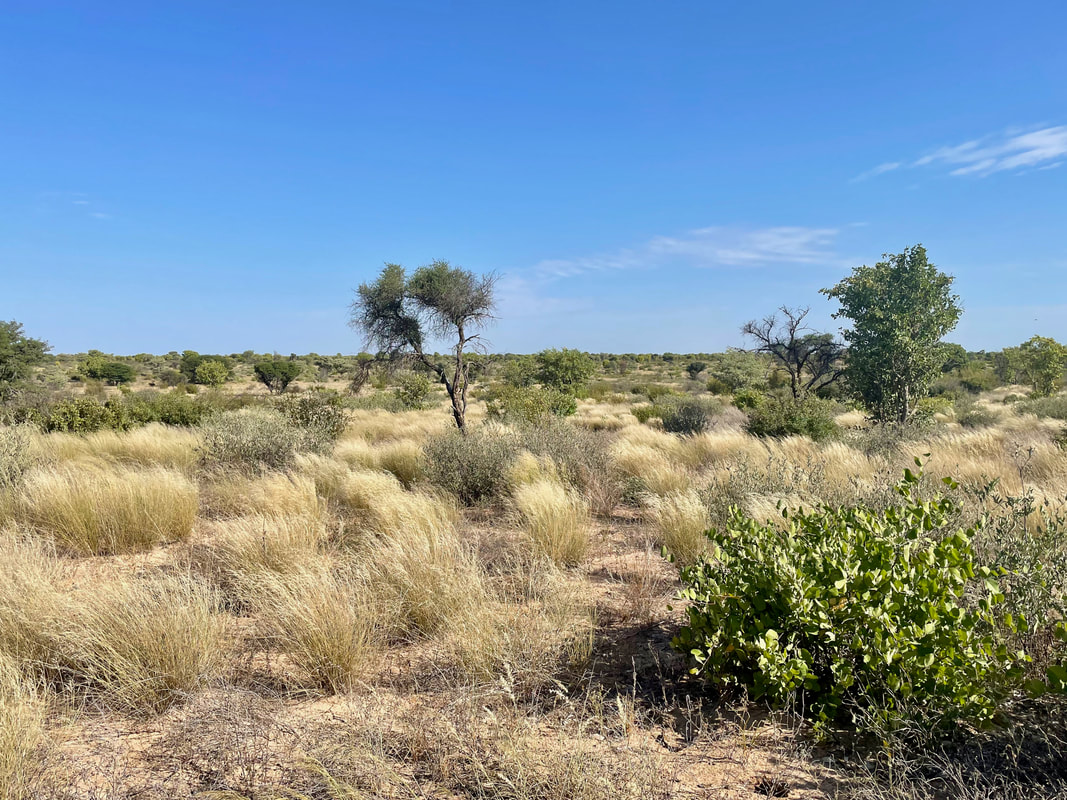
​The Kalahari San have traditions spanning millennia involving the sustainable utilisation of their natural resources. Whether it’s a tiny leaf barely sprouting out of the ground indicating a large underground tuber that contains water, or the thorny “devil’s claw” vine, whose seed pods make a tea that cures a variety of ailments; treasures like these veld products as well as culturally significant sites and historical sites are scattered amongst the western Kalahari conservation corridor more plentifully than the cheetahs or people who move through the area. And yet, the conservation of this landscape will benefit all the natural assets here, as well as the people, their indigenous knowledge, culture and histories. For several years, CCB has been supporting the Xwiskurusa Natural Resource Community Trust who oversee community developments in the villages of Kacgae, East Hanahai and West Hanahai, including helping them to update their Land Use Management Plan – an important document that paves the way on their future development path and helps them secure their leases on the semi-protected GH10 “Wildlife Management Area”. In order to update this plan, and to build a thorough understanding of the natural and cultural resources available to the communities, six expeditions were planned to survey sections of the 1.2 million hectares of the Wildlife Management Area. 
 
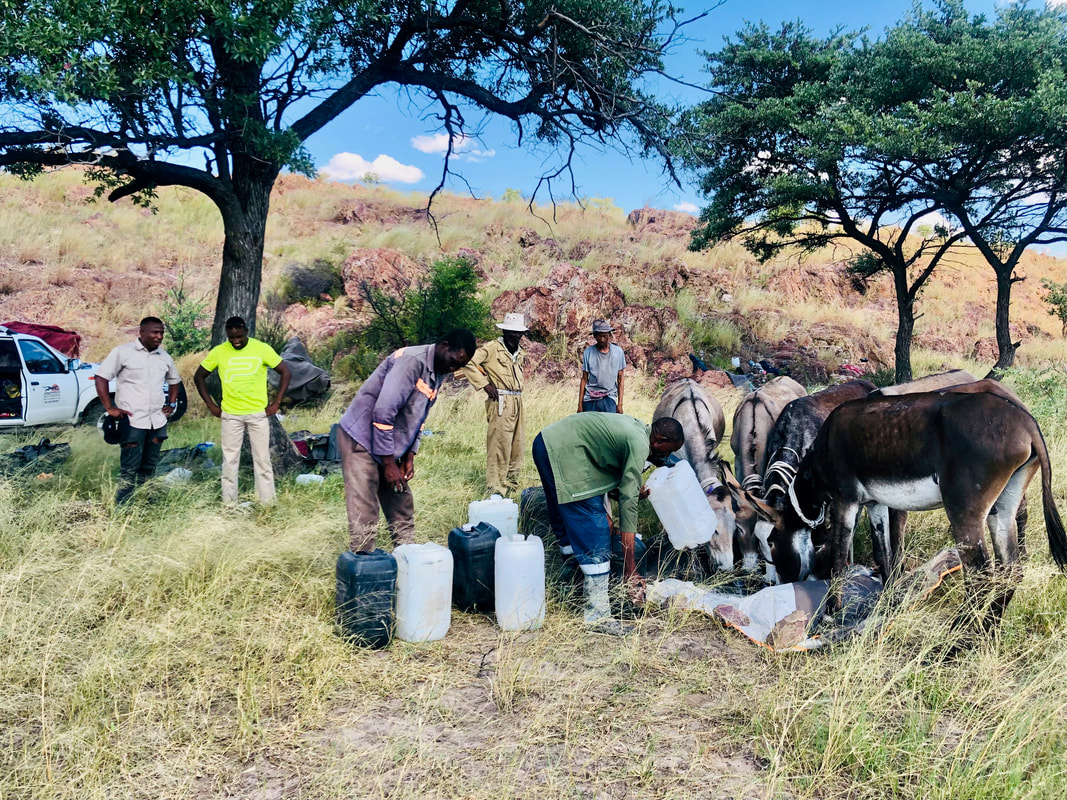
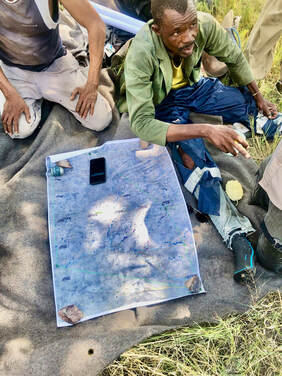
Back in early 2022, we started the process with a six-day workshop held with 22 community members to train them in surveying and data recording techniques so that they would have the capacity to conduct these challenging surveys. On the 12th May, the first expedition team headed out to the bush on foot for the first week-long expedition. CCB staff assisted with logistical planning and supplying resources, including helping expedition members source food for the trip, donkeys to carry equipment, and burying drums of water in strategic places along their route so that they didn’t succumb to dehydration in what is sometimes referred to as the “great thirstland”. After over 12 months of hard work, planning, surveying, data collection, analyses and reporting, we are proud to report that the last expedition was completed in April. Incredible plant and animal life was recorded across the area, but some of the notable treasures discovered included a fossilised riverbed, mineral licks used by animals over such long periods that they have created caves, archaeological artifacts such as pipes made of bone, boulders where traditional hunters sharpened their spears for generations, leaving deep indentations in the rock and even graves of two adventurers whose plane crashed in the area in 1968. These discoveries were so remarkable that they sparked an investigation by a team from the Department of National Museums and Monuments who went on to declare a particular portion of the Okwa River Valley as a site of significant cultural heritage. This is an important development, as the area is currently under consideration for land use change to cattleposts and grazing lands, despite the communities ongoing lease of the area. 
 
The natural and cultural resource reviews have been a rigorous and demanding exercise for all involved, but has generated great excitement amongst participants, the communities and CCB alike. Following the final expedition, a debriefing meeting was organised for participants surveys in Kacgae, to reflect on the planning and execution of the surveys. Now the data has been captured, it will be used by the communities to update the land use management plan for GH10, which will serve as a roadmap for development for these communities for many years to come. 
Picture
Picture
0 Comments

New mamas from Bere trained for Learn to Play community playgroup curriculum

5/28/2023

0 Comments

 
Picture
Picture
Picture
Picture
Together with our technical partners at Learn to Play (LTP), consultations were held with
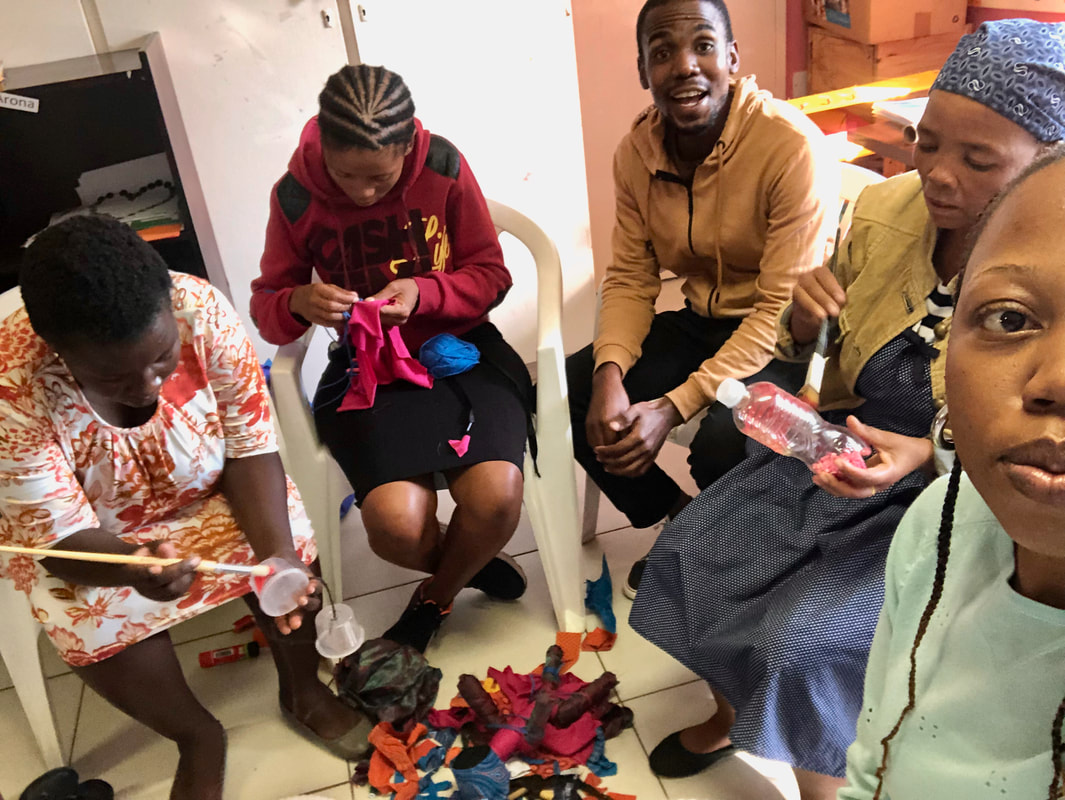
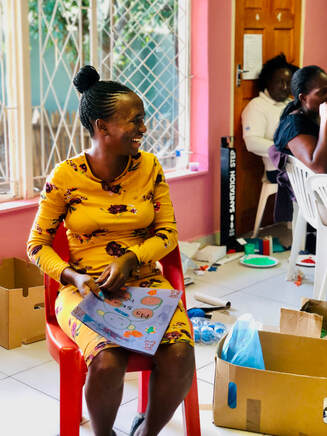
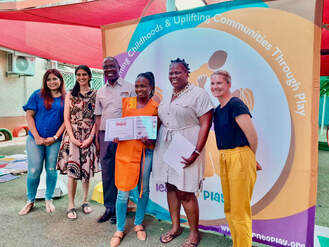
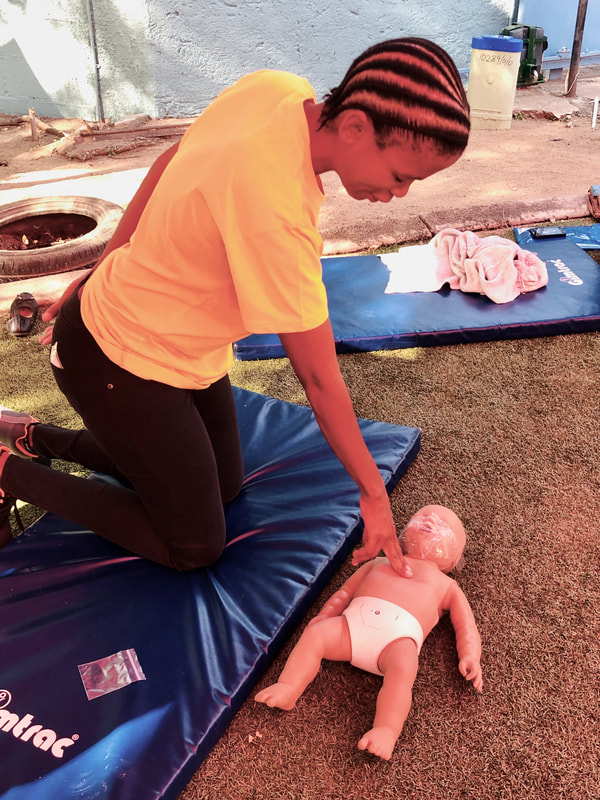
community representatives in the village of Bere to consider the need and value of setting up an informal playgroup, similar to the successful one we oversee in nearby Kacgae. Following an internal assessment, Bere stakeholders reported to CCB and LTP that up to 46 children between ages 2 - 5 years are not being captured by the existing early childhood education facilities in the village. Working together with LTP, community members and relevant stakeholders, it was decided that the best approach would be to bolster the capacity of the existing community preschool so that it would have the ability to take on more children. Two existing preschool staff and two additional women from the community were selected for training as LTP “mamas” – ladies who will be responsible for delivering the LTP curriculum. Late in April, the new mamas were transported 500km to Botswana’s capital city to undertake training in the LTP playgroup curriculum, which emphasises respect for self, others and the environment. This training included refresher training for our Kacgae mamas as well as first aid training for all the ladies. The Bere mamas delivered their first LTP session on 8th May. We are excited to help expand the reach of this wonderful initiative!
0 Comments
    join our mailing list

    Search

    Archives

    August 2025
    July 2025
    June 2025
    May 2025
    March 2025
    February 2025
    December 2024
    November 2024
    October 2024
    September 2024
    August 2024
    May 2024
    January 2024
    November 2023
    September 2023
    August 2023
    July 2023
    June 2023
    May 2023
    April 2023
    March 2023
    January 2023
    December 2022
    November 2022
    October 2022
    August 2022
    May 2022
    April 2022
    February 2022
    December 2021
    September 2021
    June 2021
    April 2021
    March 2021
    February 2021
    December 2020
    November 2020
    October 2020
    September 2020
    August 2020
    July 2020
    June 2020
    May 2020
    April 2020
    March 2020
    February 2020
    January 2020
    December 2019
    November 2019
    August 2019
    June 2019
    May 2019
    April 2019
    March 2019
    February 2019
    January 2019
    December 2018
    November 2018
    October 2018
    September 2018
    August 2018
    July 2018
    June 2018
    May 2018
    April 2018
    March 2018
    February 2018
    January 2018
    December 2017
    November 2017
    October 2017
    September 2017
    August 2017
    July 2017
    June 2017
    May 2017
    April 2017
    March 2017
    February 2017
    January 2017
    December 2016
    November 2016
    October 2016
    September 2016
    August 2016
    July 2016
    June 2016
    May 2016
    April 2016
    March 2016
    February 2016
    January 2016
    November 2015
    October 2015
    September 2015
    August 2015
    July 2015
    June 2015
    May 2015
    April 2015
    March 2015
    February 2015
    January 2015
    December 2014
    November 2014
    October 2014
    September 2014
    August 2014
    July 2014
    June 2014
    May 2014
    April 2014
    March 2014
    February 2014
    January 2014
    December 2013
    November 2013
    October 2013
    September 2013
    August 2013
    July 2013
    June 2013
    May 2013
    April 2013
    March 2013
    February 2013
    January 2013
    December 2012
    November 2012
    October 2012
    September 2012
    August 2012
    July 2012
    June 2012
    May 2012
    April 2012
    March 2012
    February 2012
    January 2012
    December 2011
    November 2011
    October 2011
    September 2011
    August 2011
    July 2011
    June 2011
    May 2011
    April 2011
    March 2011
    February 2011
    January 2011
    December 2010
    November 2010
    October 2010
    August 2010
    July 2010
    June 2010
    May 2010
    March 2010
    September 2009
    August 2009
    July 2009
    June 2009
    March 2009
    January 2009
    November 2008
    October 2008
    September 2008
    June 2008
    May 2008
    April 2008
    February 2008
    January 2008
    December 2007
    November 2007
    October 2007
    April 2007

    Categories

    All

    RSS Feed

Picture
Website by LiveImpact Nonprofit Technology