CHEETAH CONSERVATION BOTSWANA

  • Home
  • About us
    • Who we are
    • About Cheetahs
    • Founders
    • Where We Are
    • Supporters
    • Collaborators
    • Contact Us
  • What we do
    • Scientific Research
    • Farming For Conservation
    • Engagement & Awareness
    • Communities for Conservation
  • Get Involved
    • Donate
    • Log a Cheetah Sighting
    • Work with CCB
    • Study with CCB
    • Fundraising
  • Resources
    • Annual Reports
    • Financial Reports
    • Educational Resources
    • Information for Farmers
    • Photo Gallery
  • News
  • Donate
  • Shop
  • Home
  • About us
    • Who we are
    • About Cheetahs
    • Founders
    • Where We Are
    • Supporters
    • Collaborators
    • Contact Us
  • What we do
    • Scientific Research
    • Farming For Conservation
    • Engagement & Awareness
    • Communities for Conservation
  • Get Involved
    • Donate
    • Log a Cheetah Sighting
    • Work with CCB
    • Study with CCB
    • Fundraising
  • Resources
    • Annual Reports
    • Financial Reports
    • Educational Resources
    • Information for Farmers
    • Photo Gallery
  • News
  • Donate
  • Shop

Rest in peace Junior

11/2/2023

2 Comments

 
Picture
Picture
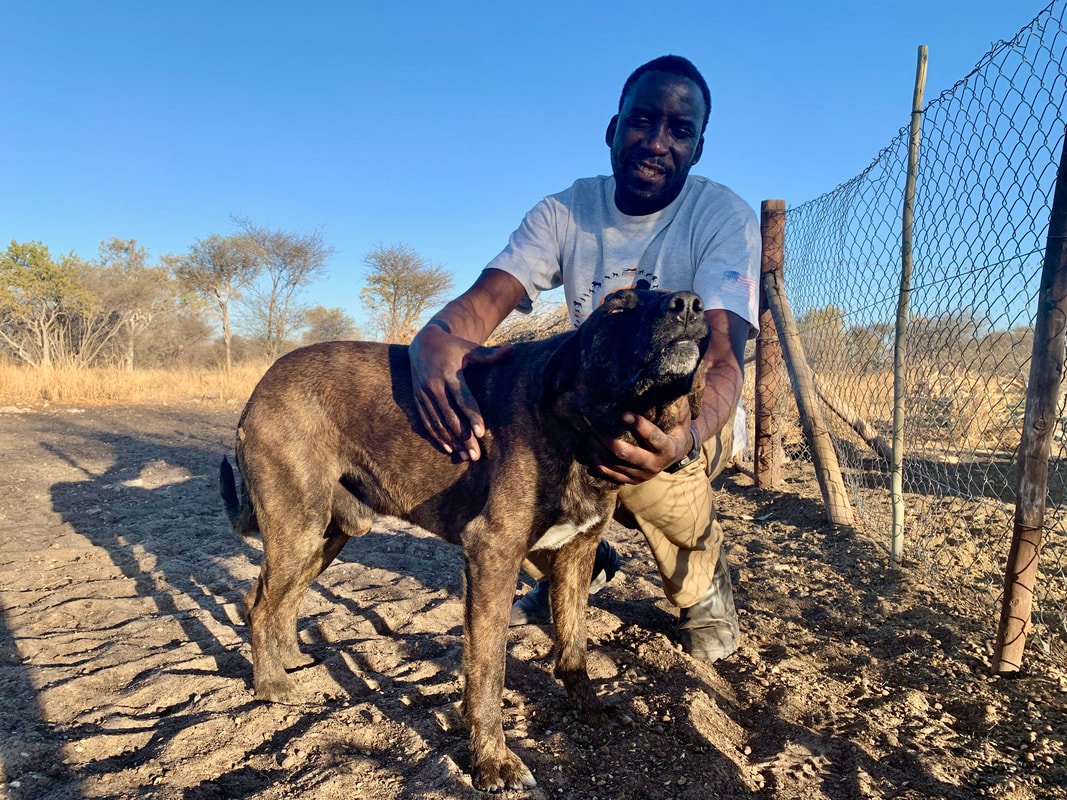
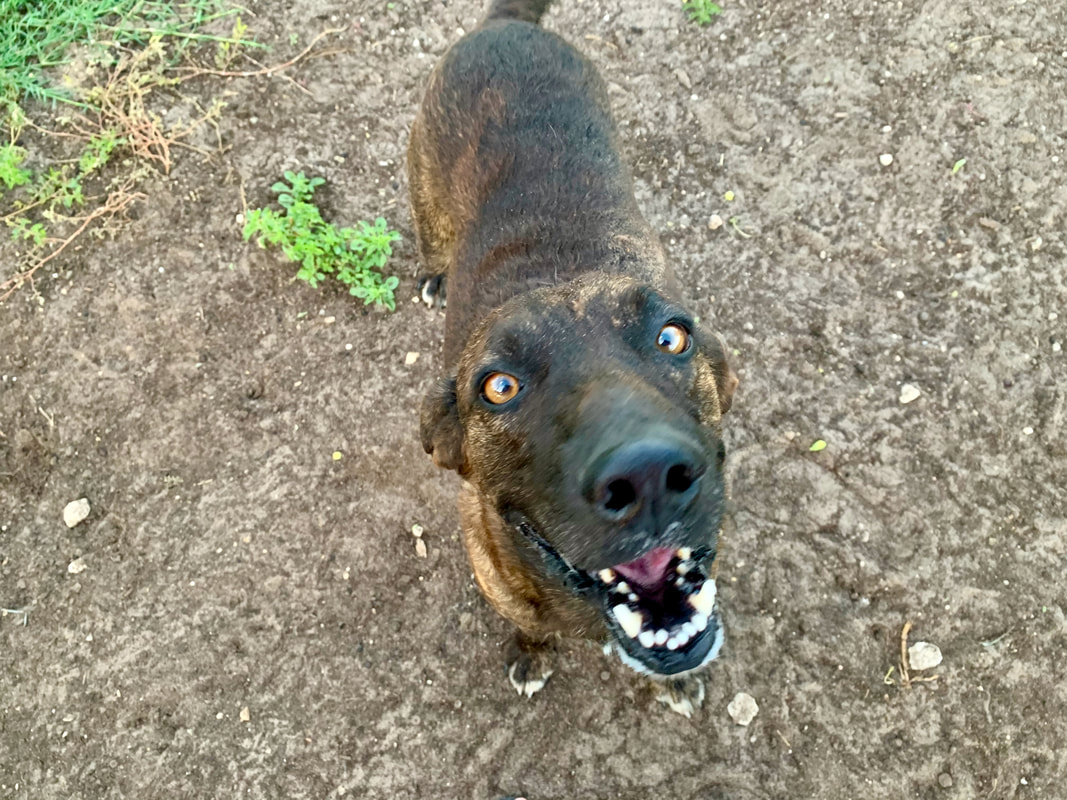
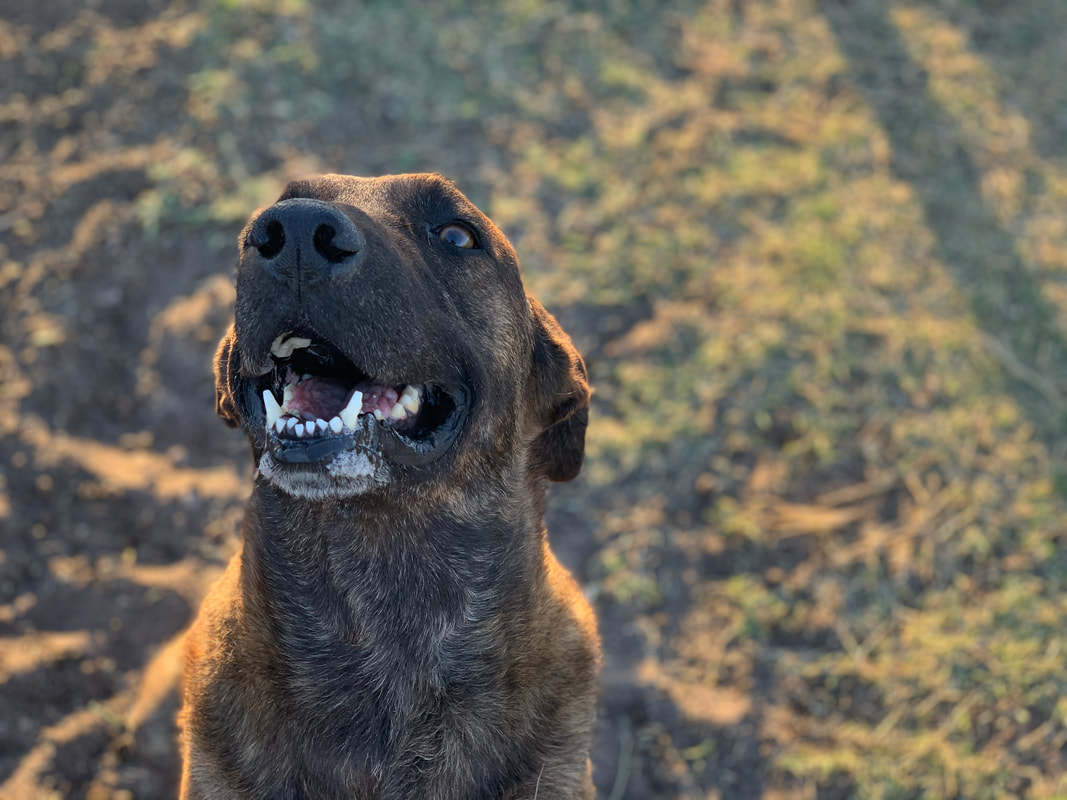
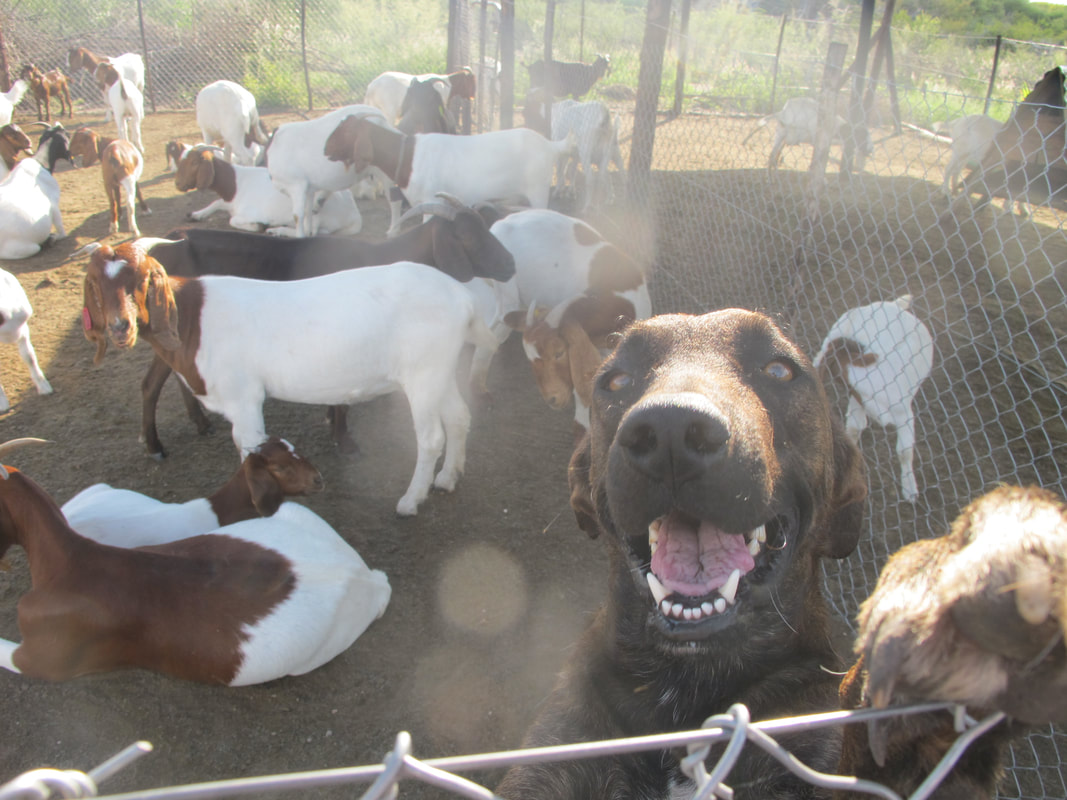
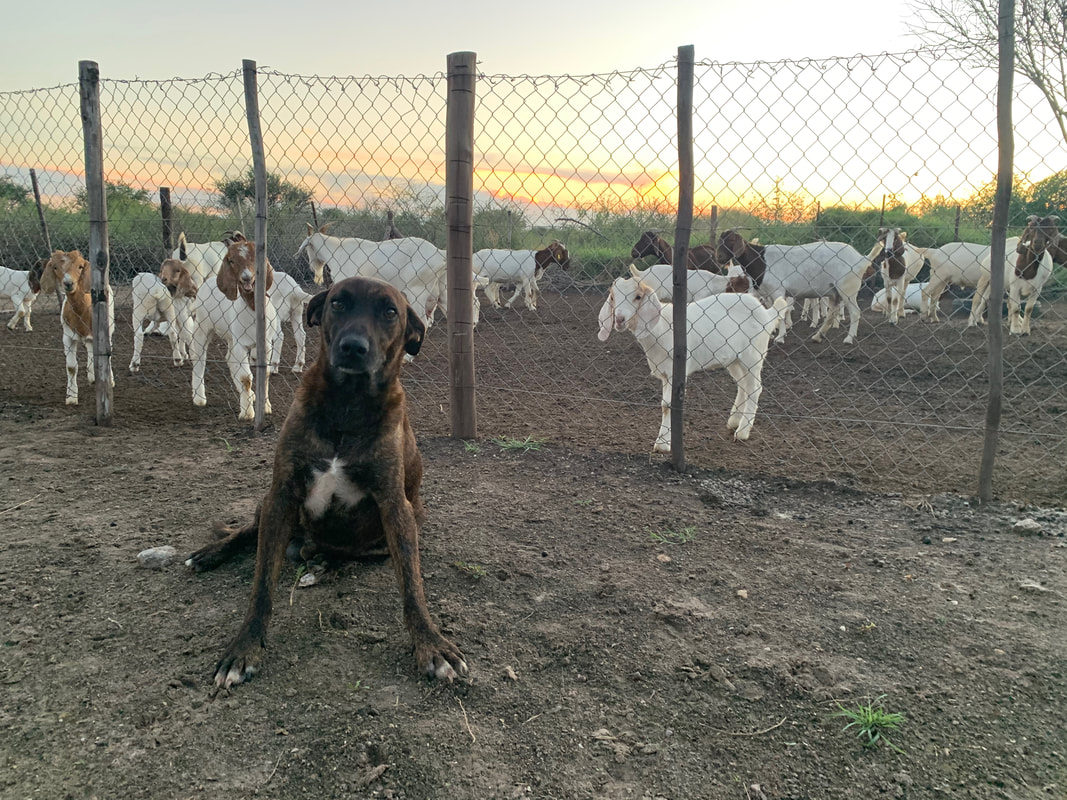
​We are very sad to report that early last month we had to say goodbye to an integral member of the CCB team – our camp livestock guarding dog (LGD), Junior. This special dog was one of the first litter of puppies that was ever placed with farmers as part of our LGD programme in 2013. He was so great that we just had to keep him for ourselves, raising him with our two other LGDs at the time – Tau and Phiri. Junior was the epitome of an LGD that loved his job. Fiercely bonded and dedicated to his herd, he was still always ecstatic to see people — bounding over with a helicopter tail and never being able to resist jumping up to say an exuberant hello straight to your face. He made it almost impossible to get within touching distance of the goats, forever nudging you for illicit pats if you stood still for any length of time. We often get people worrying about whether having the LGDs live 24/7 with the goats is cruel and whenever I explained how these dogs are very well cared for and love their jobs, I would always think of Junior. He was with those goats his entire life, and you could never wipe the shining smile off his face. 
 
Junior was spectacular for many reasons, but the ultimate reason was that he would never leave the goats alone – traversing 40-degree Celsius days and navigating the shady spots to avoid sand so hot it would melt the bottom of your shoes. He never left them alone in the bush. When the herd disappeared for an entire week in 2013, despite being young and new to the group, he stayed with his goats despite having no food for five days — following them as they walked halfway to Namibia. Thankfully a local farmer recognized the dogs after having attended one of CCB’s farmer workshops and seeing our demonstration farm, and alerted us to their whereabouts. Not one goat was lost that week.
 
During his decade of service, Junior helped educate over 879 farmers who attended our farmers workshops and 906 students who visited our demonstration farm to see how LGDs worked. He showed them how spectacular LGDs can be at protecting livestock and reducing conflict with cheetahs. During his decade protecting our herd, we lost only 3 goats to carnivores – a predation rate a tiny fraction of our neighbours. One of his primary jobs at our demonstration farm was to be a good example and help teach new puppies how to be outstanding LGDs. In his life, he helped us train over 200 LGD puppies, that we then placed with farmers to mitigate their conflict with cheetahs and other carnivores. On farms that source and train LGDs themselves, 48% have their livestock losses to carnivores reduced to zero each year; on farms that received puppies that Junior trained, that figure jumped to over 85%. The mind boggles to consider how many cheetah lives this one dog has helped save. 
 
Junior did his job exceptionally well, and he never slacked off or complained — even when an aggressive squamous cell carcinoma began ravaging his tongue. The day we discovered the cancer on his tongue it was 38-degree Celsius, despite the pain he must have been in, Junior went out the entire day with his herd. Unable to lap water properly, he dunked his head deep into the water bowl in our camp to drink – our first sign that something wasn’t right. After discovering the damage, we rushed him to the nearest veterinarian – a 700km round trip to Maun. The devastating news on our arrival was that the cancer had metastasized to the base of his tongue and surgery was not an option. Knowing he was in great pain and that he would be in agony to be kept away from his goats, the difficult decision was made to put him to rest. 
 
Junior was brought back to the farm in Ghanzi and laid to rest by the CCB team in the shade of the thornbushes that his goats love so much. His death has been a great loss to the team, who loved him dearly. Thank you for your service, Junior — are hearts are sore without you. 
Picture
Picture
Picture
2 Comments
Rubi Khilnani, MD
11/27/2023 06:01:23 am

Hmm. I’m a huge conservation, animal loving person & WCN supporter. After reading the essay on faithful LGD Junior, I am left very saddened and speechless at the insidious dog abuse that this faithful dog endured. It is terrible that you are bragging about this poor dog going 5 days without food and being allowed to step on ground that would burn a person’s shoes — how about humans protecting and being vigilant about Junior’s complete well being?? He likely got the squamous cell carcinoma on his tongue by being expected to be in the very hot sun and consistently panting — with his tongue being continuously exposed to the hot rays of the sun. Squamous cell cancers on animals are overwhelmingly due to relentless sun exposure. Please re-think your treatment of these faithful fabulous dogs — the above IS animal abuse however unintended. I will be very uncomfortable supporting this cause unless changes are made on how these precious dogs are taken care of & treated. We cannot sacrifice the dogs quality of life and life in the name of conservation. Thank you very much.

Reply
Cheetah Conservation Botswana
11/27/2023 02:43:54 pm

Thank you Rubi for your concern and for your clear love of animals. I'm glad animals have someone like you to fight for their rights.

I assure you that we do not abuse the dogs that are in our care - quite the opposite. We go to great lengths to ensure that these dogs receive the highest standard of veterinary care and welfare possible. We use Tswana dogs for our livestock guarding dog programme - a landrace dog that has adapted under intensive natural selection over thousands of generations to adapt to the harsh climate and environment of the Kalahari. This means that they are adapted to better deal with the extremes in temperatures, the harsh terrain and the local parasites and diseases. These dogs are able to thrive off a less structured diet than purebred dogs, many maintaining good health with only a balanced diet of human leftovers. What is probably most important to note is that the livestock guarding dogs that we work with, including Junior, are never forced to go with the goats. They are bonded with their goats and go with them willingly. Obviously we would not force them to go 5 days without food - Junior chose to stay with his goats rather than come home to eat. We had our entire team with all our field vehicles out for the entire five days, searching for them while they were missing. One of our team members was in tears after one very long day resulted in them still not being found. As for the hot sand, thankfully the dogs paws seem more adapted to deal with it than our feet. Thankfully our area is also heavily wooded and there are enough shady spots for the dogs to navigate safely through the bush. They also use these bushes to rest while the goats make their way across the veld. Again, they are not forced, so if the sand was too hot, they would retreat to where it was safe. Each dog is checked daily for injuries and ticks, so any injuries to their paws would be promptly found and treated. Our staff that work with our LGDs are all trained in basic veterinary procedures, including wound care and injections, and they attend to the dogs promptly.

You are right that Squamous Cell Carcinomas (SCC) occur in dogs when their lolling tongues are exposed to the sun. Dogs pant as part of their daily regular thermoregulation and is not necessary a sign of extreme heat stress. SCC is a condition that has been reported in Anatolian Shepherds protecting goats in Namibia, but we thought it may be isolated to imported breeds of dog not used to the southern African sun, and that the Tswana dogs may also be well adapted and not suffer from this condition. None of our staff, experts in the field, or the four veterinarians we consulted upon discovering Junior's tumour had ever heard of a Tswana dog suffering from a SCC. But through this experience, we can teach others who keep livestock guarding dogs. Our hope is that through Junior's story, we can teach other LGD owners about the early warning signs of SCC, warnings about how fast they can grow and what measures need to be taken to prevent this and other diseases and ailments from affecting their LGDs.

In our experience, the LGDs we see through our work are given the best care possible by their owners, because these dogs are saving livestock from being preyed upon by carnivores, and their owners appreciate that and respect the dogs for it. Every dog that is placed as part of our LGD programme receives all of its initial vaccinations and sterilisation before being placed and is checked on regularly to make sure it is in the best possible condition. We also provide free veterinary care to any LGDs that have been placed in our programme - at the moment, that is around 100 dogs. I can assure you that the welfare of LGDs is very important to us. We are devastated about what happened to Junior, but I can assure you that his toughness reported in the story was not a result of any negligence, but was a product his bravery and determination to protect his goats. We kept him safe and healthy while he did his job and he did his job magnificently. It would have been cruel at any point to take him away from his goats.

Thank you for standing up for dogs.

Reply


Leave a Reply.

    join our mailing list

    Search

    Archives

    October 2025
    September 2025
    August 2025
    July 2025
    June 2025
    May 2025
    March 2025
    February 2025
    December 2024
    November 2024
    October 2024
    September 2024
    August 2024
    May 2024
    January 2024
    November 2023
    September 2023
    August 2023
    July 2023
    June 2023
    May 2023
    April 2023
    March 2023
    January 2023
    December 2022
    November 2022
    October 2022
    August 2022
    May 2022
    April 2022
    February 2022
    December 2021
    September 2021
    June 2021
    April 2021
    March 2021
    February 2021
    December 2020
    November 2020
    October 2020
    September 2020
    August 2020
    July 2020
    June 2020
    May 2020
    April 2020
    March 2020
    February 2020
    January 2020
    December 2019
    November 2019
    August 2019
    June 2019
    May 2019
    April 2019
    March 2019
    February 2019
    January 2019
    December 2018
    November 2018
    October 2018
    September 2018
    August 2018
    July 2018
    June 2018
    May 2018
    April 2018
    March 2018
    February 2018
    January 2018
    December 2017
    November 2017
    October 2017
    September 2017
    August 2017
    July 2017
    June 2017
    May 2017
    April 2017
    March 2017
    February 2017
    January 2017
    December 2016
    November 2016
    October 2016
    September 2016
    August 2016
    July 2016
    June 2016
    May 2016
    April 2016
    March 2016
    February 2016
    January 2016
    November 2015
    October 2015
    September 2015
    August 2015
    July 2015
    June 2015
    May 2015
    April 2015
    March 2015
    February 2015
    January 2015
    December 2014
    November 2014
    October 2014
    September 2014
    August 2014
    July 2014
    June 2014
    May 2014
    April 2014
    March 2014
    February 2014
    January 2014
    December 2013
    November 2013
    October 2013
    September 2013
    August 2013
    July 2013
    June 2013
    May 2013
    April 2013
    March 2013
    February 2013
    January 2013
    December 2012
    November 2012
    October 2012
    September 2012
    August 2012
    July 2012
    June 2012
    May 2012
    April 2012
    March 2012
    February 2012
    January 2012
    December 2011
    November 2011
    October 2011
    September 2011
    August 2011
    July 2011
    June 2011
    May 2011
    April 2011
    March 2011
    February 2011
    January 2011
    December 2010
    November 2010
    October 2010
    August 2010
    July 2010
    June 2010
    May 2010
    March 2010
    September 2009
    August 2009
    July 2009
    June 2009
    March 2009
    January 2009
    November 2008
    October 2008
    September 2008
    June 2008
    May 2008
    April 2008
    February 2008
    January 2008
    December 2007
    November 2007
    October 2007
    April 2007

    Categories

    All

    RSS Feed

Picture
Website by LiveImpact Nonprofit Technology